How Poor Air Quality in Ahmedabad Affects You and How to Stay Safe
The bad air quality in Ahmedabad can hurt your lungs, heart, and skin. This blog explains how poor air quality impacts you, what symptoms to watch for, and simple ways to stay safe every day.
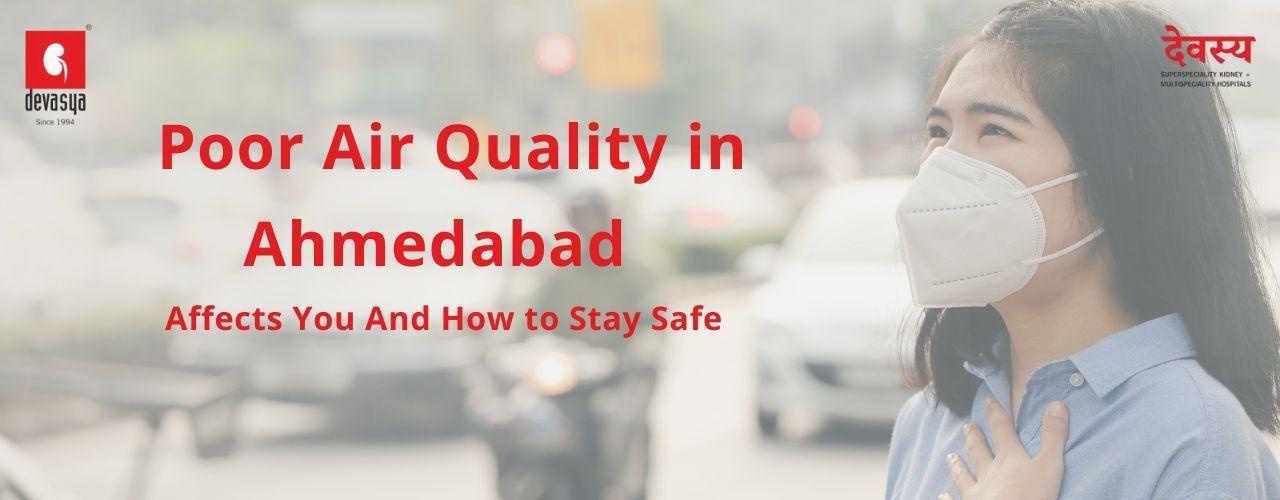
If you live in Ahmedabad, you already know how the air feels different in winter - a little hazy, a little smoky, and sometimes downright heavy. That is because pollution usually spikes during the colder months.
As of December 2025, the Air Quality Index (AQI) in Ahmedabad is hovering in the Moderate to Unhealthy AQI range. That grey haze you see is not just fog – it is pollution, and it is affecting all of us. Between traffic jams, construction dust everywhere, and that thick winter smog, breathing clean air feels like a luxury these days.
This blog breaks down what that means in simple words - how poor air impacts your body, what symptoms you should not ignore, and easy habits to stay safe. And yes, if breathing trouble hits suddenly, always rush to a hospital with emergency and trauma care or to the best Multispeciality hospital in Ahmedabad.
What Exactly Is Poor Air Quality in Ahmedabad?
Air quality is basically a measure of how clean or dirty the air around us is. Poor air quality means the air is carrying harmful stuff that we cannot see but breathe in every minute. There are too many harmful particles floating around that should not be in our lungs.
What Do AQI Numbers Mean In simple words?
The Air Quality Index (AQI) is basically a report card for the air. It is a simple number that tells us if the air is giving us high-fives or is likely to make us cough.
Here is the breakdown:
| AQI Number | Category | Health Impact |
|---|---|---|
| 0 to 50 | Good | Breathe easy! The air is clean and safe. |
| 51 to 100 | Satisfactory | Pretty decent. Most people are fine. |
| 101 to 200 | Moderate | Not great. If you have asthma or lung problems, you might feel it. |
| 201 to 300 | Poor | Now we are in trouble. Everyone starts feeling the effects – coughing, throat irritation, watery eyes. |
| 301 to 400 | Very Poor | Seriously bad. Stay indoors if you can. |
| 401 to 500 | Severe | Emergency level. The air is dangerous for everyone. |
Why Does AQI Rise in Ahmedabad?
Ever wonder why the air in Ahmedabad gets so bad, especially in winter?
Here is what is going on:
- Construction dust: New buildings, metro work, and road repairs kick up dust that ends up everywhere - including your lungs.
- Traffic and vehicles: So many cars, buses, and scooters are on the road! They all let out smoke. When traffic stops, those running engines make even more pollution.
- Winter traps it all: Cold air in winter acts like a lid, trapping all the pollution near the ground where we breathe.
- Factory smoke: Industrial areas blow smoke and chemicals into the city.
- People burning stuff: People burning leaves or trash adds even more smoke.
How Does Poor Air Quality Affect our Body?
So what exactly does this dirty air do to you? More than you might think.
Immediate effects on lungs, eyes, skin, and breathing
You might notice these issues right away when the air is bad
- Lungs and Breathing: You may start with a ticklish cough, feeling short of breath, or a slight tightness. If you have asthma, it can really flare up.
- Eyes: They get red, watery, itchy, or feel like there is sand in them. Those tiny pollution particles are irritating your eyes.
- Skin: Pollution can make your skin dry and itchy, leading to rashes.
- Headaches and fatigue: Even if you slept well, you feel tired and get headaches. Bad air affects your whole body.
Serious long-term risks for the heart, lungs, and immunity
Here is the scary part - breathing this air day after day, month after month, can cause real damage:
- Heart: Polluted air can damage your heart over time. The small particles you breathe in can enter your bloodstream and increase your risk of heart disease and stroke.
- Lungs: Breathing bad air over time can lead to serious lung conditions and make your lungs weaker forever.
- Immunity: It weakens the immune system, making you more likely to fall sick.
Why children, elders, and asthma/heart patients are more at risk
We need to take extra care of these groups:
- Kids: Their lungs are still growing, and they breathe faster, so pollution hits them harder.
- Elders: Weaker lungs and immunity mean more trouble with polluted air.
- Asthma patients: Even a little pollution can trigger attacks.
- Heart patients: Polluted air puts extra stress on the heart.
- Pregnant women: Pollution can affect a baby’s lung growth and increase risks during pregnancy.
What Symptoms Should I Watch Out For During High Pollution Days?
Your body will tell you when the pollution is getting to you. Here is what to look for:
Early warning signs you should not ignore
- You have a dry cough that just won't go away.
- Feeling unusually tired even after a good night's sleep.
- Your throat feels scratchy or irritated all the time.
- Eyes are burning or watering constantly.
- You wake up with phlegm or a constantly running nose.
- You feel unusually tired or have headaches frequently.
- That heavy, tight feeling in your chest.
- Your nose is running or feeling stuffy.
When breathing trouble or chest discomfort needs urgent care
If things get serious, please get help immediately. Look out for:
- Chest pain: Any pain or pressure in your chest – DO NOT WAIT.
- Severe breathing problems: Gasping for air or feeling like you are suffocating.
- Blue Lips or Fingernails: This is a big sign that your body is not getting enough oxygen.
- Heart racing: Your heartbeat is very fast or irregular.
- Feeling confused or very dizzy: Like you might pass out.
For urgent help, go straight to the emergency and trauma care centre at a good hospital. Devasya Hospital is known as the best Multispeciality hospital in Ahmedabad and is open 24 hours to help with these health problems.
How Can I Stay Safe During Poor and Severe Air Quality Days?
Protection is all about being smart with your daily schedule, both inside and outside your home.
Simple daily steps to protect yourself indoors and outdoors
- Make it a daily ritual! Before stepping out, check the Air Quality Index. Knowledge is power here.
- Avoid morning walks on poor-AQI days.
- If the AQI is 'Poor' or worse, put on a good N95 mask when you step out. A simple cloth mask won't stop the really tiny, nasty stuff (PM2.5).
- Keep windows closed during peak smog hours.
- Keep indoor plants like money plant, snake plant.
- Drink more water. Staying hydrated helps your body flush out toxins.
- Invest in a good air purifier with a HEPA filter for the room you use most. And remember to dust your home often with a wet cloth.
Extra precautions for Very Poor or Hazardous AQI levels
When the AQI is above 300, it Is time to take this seriously:
- Stay indoors as much as possible.
- If you have asthma, COPD, or heart issues, make sure all your medicines are stocked. Keep your doctor's number handy.
- Use an air purifier if you have one.
- Foods rich in vitamin C and E (oranges, amla, almonds, and green veggies) help your body fight pollution damage.
- Call your doctor early if symptoms get worse.
When Should I See a Doctor for Pollution-Related Symptoms?
-
If you suddenly struggle to breathe… → Go to a doctor immediately. Pollution can irritate your lungs so much that your normal inhaler may not help. This is a medical red flag.
-
If your chest feels tight, heavy, or painful… → Do Not Wait. Get checked. Chest discomfort during pollution spikes can affect both the lungs and the heart.
-
If fever or dizziness appear with breathing trouble… → Treat it as urgent. This combination often signals infection or inflammation.
-
If your lips or fingertips look bluish… → Rush for help. This means your body is not getting enough oxygen.
In all these situations, timely emergency and trauma care can prevent serious complications.
Final Thoughts - Stay Aware, Stay Safe, and Protect Your Health
Air pollution is a real and constant challenge in Ahmedabad, but hey, we can face it! Keep an eye on the AQI. Take simple, smart steps, like wearing your mask and keeping your home air clean, and you can protect yourself and your family.
Quick Answers to Common Air Quality Questions
Is morning walking safe in smog?
Not really. Pollution levels are usually highest and most dangerous right in the early morning. It’s safer to exercise indoors or wait until the air clears up a bit later in the day.
Do N95 masks really help?
Yes. They filter out fine particles much better than cloth or surgical masks.
Do air purifiers make a difference?
Yes, a good air purifier with a HEPA filter can significantly drop the pollution levels inside your home, giving you a safe bubble to breathe in.
Can pollution cause long-term damage?
Yes, breathing polluted air for months or years causes serious damage. It increases your risk for stroke, heart disease, lung disease, and cancer. For kids, it affects lung growth and raises asthma risk, but the good news is that cleaner air helps lungs recover and grow better.
Does drinking more water help?
Absolutely. Hydration protects your airways and reduces irritation.
Disclaimer: This blog is general info, not medical advice. For breathing problems, chest pain, or severe symptoms, reach out to a doctor or visit emergency and trauma care right away.